National leader
in nursing education
15 courses to complete the Practical Nursing program
Practical Nursing Program
You may be eligible to save up to $2,000 on your Practical Nursing tuition with our LPN Care Grant.2 Contact an admissions advisor to learn more.
In our fast-track Practical Nursing program, you'll prepare to become an LPN in as few as 12 months.1 You’ll learn from compassionate experts who have centered their working lives around helping nurses grow and succeed—from faculty members and academic advisors to tutors, financial aid experts and 24/7 tech support.
Our job is to support you from your very first step in our Practical Nursing program, including:
- Eight start dates per year
- No prerequisite coursework
- No waiting list at many campuses for qualified applicants
- No need to apply twice
Your online and on-campus courses and clinical experiences will help prepare you for the NCLEX-PN®3 licensing exam and become a safe, practicing licensed practical nurse (LPN). In fact, 90% of our LPN students in Florida passed the NCLEX-PN in 2023.6
The Practical Nursing Diploma program is a great way to get into a nursing role. Many LPNs are satisfied with their careers as a hands-on care provider. However, if you decide to advance your education to increase your scope of practice, we offer a bridge program to becoming a registered nurse through our Professional Nursing (ADN/RN) or Bachelor of Science in Nursing program options.
Learn More at a Nursing Information Session
On this page
LPN Care Grant for Up to $2,000
Now is the perfect time to enroll for your Practical Nursing Diploma because eligible new students can save up to $2,000 with the LPN Care Grant.2 Your goal to become a nurse is within reach—our LPN Care Grant can help you get started toward becoming an LPN.
What Types of LPN Classes Will I Take?
As a Practical Nursing program student, your comprehensive education includes online and on-campus courses, plus hands-on experience in a clinical setting, which will prepare you to provide safe, ethical, holistic and compassionate client-centered care for diverse individuals.-
Practical Nursing Skills 1
- Establish the health education required for basic care and patient interaction
- Examine techniques for data collection, standard precautions and handling medications
-
Principles of Gerontological Nursing
- Focus on a holistic approach to older patients, including nutritional, pharmacological, psychosocial, ethical and legal factors
- Apply theoretical knowledge by working with geriatric patients in a clinical setting
-
Principles of Mental Health Nursing
- Explore the foundations of emotional, behavioral and substance abuse disorders
- Practice the application of theoretical knowledge in mental healthcare settings
-
Structure and Function of the Human Body
- Familiarize yourself with human anatomy and physiology of the skeletal and muscular systems
- Introduce the nervous, cardiovascular, respiratory, digestive, urinary, reproductive and endocrine systems
"It is an amazing college. For single moms or people who have barriers, it is not just catered to one group. I believe anyone could come in and fit at Rasmussen."
Nikita M.
Graduate, Practical Nursing Diploma
What Will I Be Prepared to Do When I'm Done?
Take the NCLEX-PN® Exam
Our fast track LPN program, taught by experienced faculty, will prepare you to sit for the national council licensure examination, or NCLEX exam. After successful completion of the NCLEX-PN®,3 you'll be on your way to a confident nursing profession.
Pursue a Fulfilling Nursing Career
Our Practical Nursing grads are prepared to start their careers in a wide range of environments, including assisted living and long-term care settings, rehabilitation centers, clinics, hospitals and more.
Pursue a Growing Practical Nurse Career
The projected job growth for licensed practical nurses between 2020 and 2030 is 13% in Minnesota and 12% in Florida, according to the Bureau of Labor Statistics (BLS). That’s much faster than the national average!4
Take the Next Step—Talk to Us!
Your Comprehensive Education Path
With the many Nursing programs at Rasmussen University, you can easily transfer credits from one level to the next, making this an affordable Practical Nursing program. Start by earning a Practical Nursing Diploma and taking the licensing examination for practical nurses (NCLEX-PN®3) to become a licensed practical nurse. Then, you could enroll in the LPN to RN Bridge program and become a registered nurse.
Whether you pursue additional education or demonstrate excellence in nursing right where you are, there are lots of LPN courses and options available to you. And by laddering at Rasmussen University, you can save time and money in the process.
-
Diploma: Practical Nursing (PN/LPN)
Start here if:
You’re interested in direct patient care and want a quick entry into the field as a licensed practical nurse (LPN) with opportunities for career advancement.
Earn in as few as:
12 months1
Career Opportunities:
- Hospitals
- Long-term care facilities
- Assisted living centers
- Rehabilitation centers
- Outpatient/ambulatory care centers
- Home health care services
- Clinics
- Physician's offices
-
Associate’s Degree: Nursing (ADN/RN)
Start here if:
You want to become a registered nurse (RN) and are looking for ways to leverage your LPN license, or want RN to be your first nursing credential.
Earn in as few as:
12 months (LPN to RN Bridge)
Or in as few as 21 months (ADN/RN)1Career Opportunities:
- Hospitals
- Long-term care facilities
- Rehabilitation centers
- Clinics
-
Bachelor’s Degree: Nursing (RN to BSN or BSN)
Next step:
You’re ready to earn your BSN, want to become a Bachelor-prepared registered nurse and are looking for opportunities to advance your career.
Or start here if:
You want to begin your nursing career as a BSN-prepared registered nurse. Choose from two pre-licensure entry tracks—standard and second degree.
Finish in as few as:
12 to 18 months (RN to BSN program)1
33 months (BSN Standard Degree)*
18 months (BSN Second Degree)*Already an LPN? Our LPN to RN Bridge program helps LPNs become RNs faster, further decreasing your time to program completion.
Career Opportunities:
- Hospitals
- Clinical Practice
- Administration
- Nursing Education
- Nursing Leadership
-
Graduate Degrees: Nursing (MSN & DNP)
Master of Science in Nursing (MSN)
You want to influence present and future healthcare as a nursing leader. You have the choice of three MSN specializations that allow you to define your career course:
- Nursing Leadership and Administration
- Nursing Education
- Healthcare Technology, Simulation and Informatics
We also offer an online MSN Nurse Practitioner (NP) program if you're interested in making a positive impact as a nurse practitioner with the choice of four specializations:
- Adult-Gerontology Primary Care NP
- Family NP
- Pediatric Primary Care NP
- Psychiatric-Mental Health NP
Doctor of Nursing Practice (DNP)
A program for nurses called to lead at the highest levels in the healthcare system, public health care and policy—the definitive terminal degree for nurse leaders.
Choose the specialization that best aligns with your interests and career goals:
- Executive Leadership
- Public Health and Policy
Career Opportunities:
MSN:
- Director of Nursing
- Director of Education
- Clinical Nursing Informatics Officer
- Chief Nursing Officer
- Nurse Practitioner
DNP:
- Chief Nursing Officer
- Nursing Administrator
- Director of Public Health and Policy
- Government or Policy Activist
Tuition & Savings
Do the Math
With eight start dates a year and a total of 15 courses—each 11 weeks in length—full-time students can finish in as few as 12 months1 for an estimated $24,335. You could also save up to $2,000 with the LPN Care Grant.2
$345 cost per credit
x 56 total credits
_______________________
$19,320 total tuition
+ $5,015 total fees
_______________________
$24,335 estimated total program cost
– $2,000 LPN Care Grant
_______________________
$22,335 estimated total program cost with grant
This reflects pricing for Florida students. Please speak with an admissions advisor or use the tuition estimator tool to calculate your costs.
Learn more about the financial aid cost of attendance (COA).
Other Ways to Save
Higher education should be a manageable investment. Talk to an admissions advisor and learn how our hybrid on-campus and online LPN program is designed to be more affordable with transfer credits, self-directed assessments, loans and grants like the LPN Care Grant, scholarship opportunities, and corporate and military discounts for those who qualify.
Find out more about:
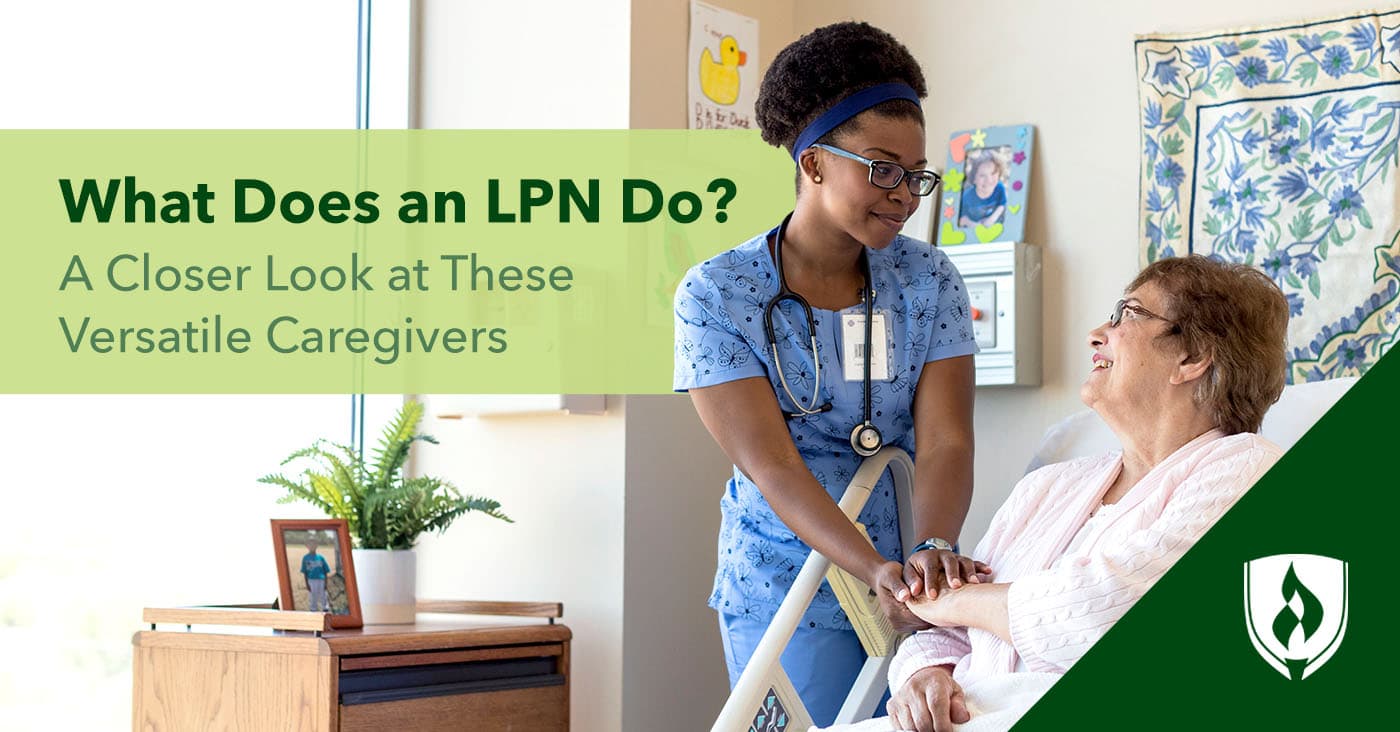
You’ve always known that you like to care for people, and becoming an LPN is one way you can utilize your natural abilities. But what exactly does an LPN do? Let's take a look at some of the common skills and responsibilities of this role along with places they might work.
Read more
Admission Requirements
Unlike many other nursing schools, there are no prerequisite courses in order to apply and there are no wait lists at many campuses. You only need to apply once and you can begin your LPN classes when it’s convenient for you with our eight start dates a year.
What Should I Know Before I Enroll?
Nursing Information Sessions
To learn about Rasmussen nursing programs and program requirements and to receive help planning, attend an online Nursing Information Session where you’ll learn about our Nursing department, TEAS scores, background checks, immunizations and more.
Help Paying for College
You’re not alone figuring out how to pay for college. Our admissions advisors can help you find ways to save through self-directed assessments, loans for those who qualify, scholarships and more.Support at Every Turn
You’ll find the support you need to grow as a nurse from mentors and faculty in this program. Our library services, academic support and career planning teams are ready to help you complete the national council licensure examination to help you become a practical nurse.Practical Nursing Program Outcomes
ACEN requires that student achievement data be made publicly accessible. The published data is consistent with the ACEN Criterion, ACEN Accreditation Manual Glossary and the program’s expected level of achievement (ELA).
View Student Achievement Data below. Data includes each campus' NCLEX-PN Pass Rate and Program Completion Rate.
-
Practical Nursing Diploma
Practical Nursing Outcomes Rates at Rasmussen University campuses
Campus and Program NCLEX-PN Pass Rate 1a Program Completion Rate 2a Campus and Program: Rasmussen University – Central Pasco Practical Nursing Diploma 7 NCLEX-PN Pass Rate 1a : 100.00% Program Completion Rate 2a : 13.6% Campus and Program: Rasmussen University – Eagan Practical Nursing Diploma 8 NCLEX-PN Pass Rate 1a : 65.15% Program Completion Rate 2a : 29.6% Campus and Program: Rasmussen University – Mankato Practical Nursing Diploma 9 NCLEX-PN Pass Rate 1a : 88.24% Program Completion Rate 2a : 24.2% Campus and Program: Rasmussen University – Moorhead Practical Nursing Diploma 10 NCLEX-PN Pass Rate 1a : 65.00% Program Completion Rate 2a : 20.0% Campus and Program: Rasmussen University – St. Cloud Practical Nursing Diploma 11 NCLEX-PN Pass Rate 1a : 75.00% Program Completion Rate 2a : 30.0% - 1a NCLEX Pass Rate is based on First-Time Candidates taking the licensure exam in 2023.
- 2a Program Completion Rate reflects students who completed the program in no more than 100% of the stated program length beginning with the enrollment in the first nursing course taken between October 2021 and July 2022.
Where Can I Find an LPN Program Near Me?
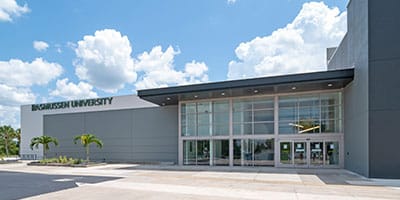
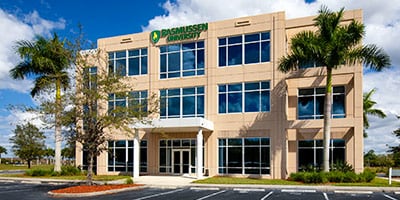
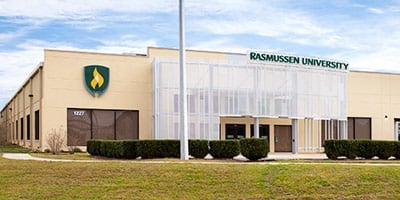
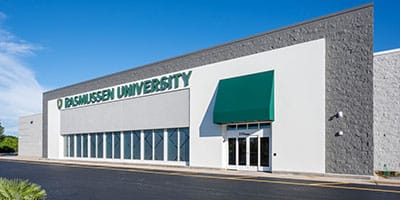
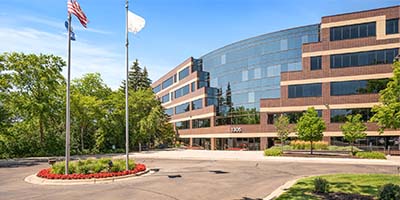
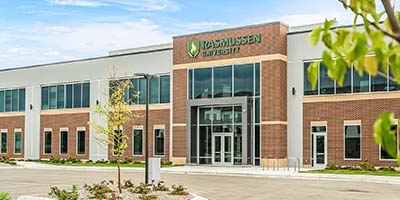
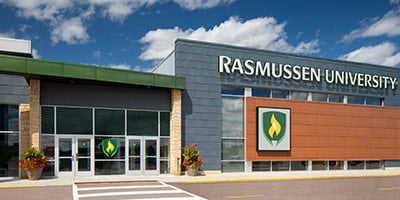
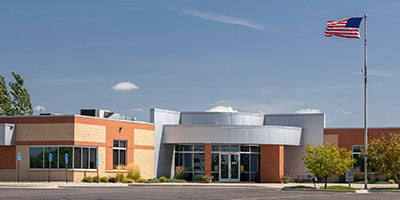
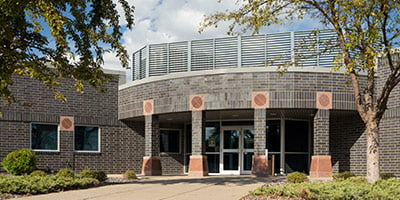
Our Diploma in Practical Nursing program is a hybrid on-campus and online LPN program experience offered in Florida and Minnesota. Click below to find an LPN program near you.
Accreditation
Higher Learning Commission (HLC)
Rasmussen University is accredited by the Higher Learning Commission (hlcommission.org), an institutional accreditation agency recognized by the U.S. Department of Education.
Accreditation Commission for Education in Nursing (ACEN)
The practical nursing program at Rasmussen University at the:
- Central Pasco campus, located in Odessa, Florida, is accredited by the ACEN. The most recent accreditation decision made by the ACEN Board of Commissioners for this practical nursing program is Continuing Accreditation.
- Eagan campus (with an off-campus instructional site in Hennepin/Anoka) located in Eagan, Minnesota, is accredited by the ACEN. The most recent accreditation decision made by the ACEN Board of Commissioners for this practical nursing program is Initial Accreditation.
- Mankato campus, located in Mankato, Minnesota, is accredited by the ACEN. The most recent accreditation decision made by the ACEN Board of Commissioners for this practical nursing program is Continuing Accreditation.
- Moorhead campus, located in Moorhead, Minnesota, is accredited by the ACEN. The most recent accreditation decision made by the ACEN Board of Commissioners for this practical nursing program is Continuing Accreditation with Conditions.
- St. Cloud campus, located in St. Cloud, Minnesota, is accredited by the ACEN. The most recent accreditation decision made by the ACEN Board of Commissioners for this practical nursing program is Continuing Accreditation.
 Accreditation Commission for Education in Nursing (ACEN)
3390 Peachtree Road NE, Suite 1400
Atlanta, GA 30326
(404) 975-5000
The most recent accreditation decision made by the ACEN Board of Commissioners for these practical nursing programs is Initial Accreditation.
View the public information disclosed by the ACEN regarding this program at
http://www.acenursing.com/accreditedprograms/programsearch.htm