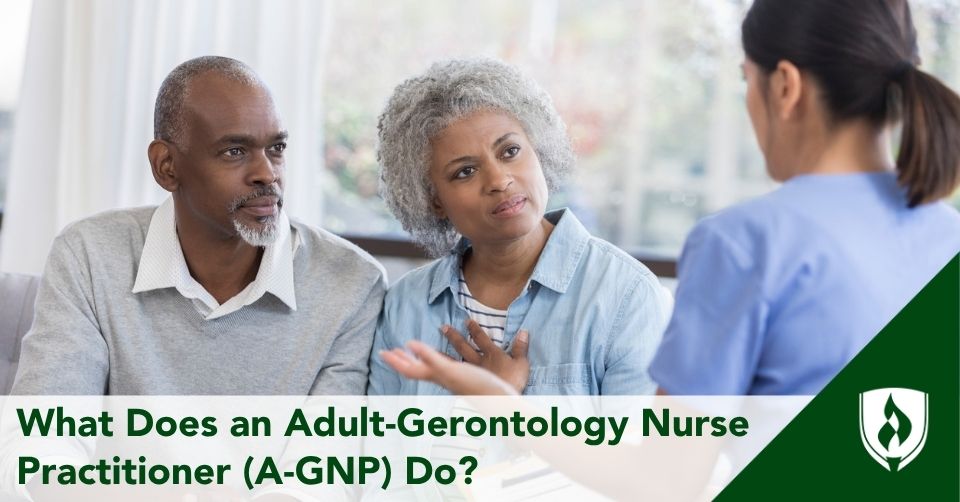
As the U.S. population gets older, healthcare needs are changing right along with it. In 2024, the number of adults ages 65 and older rose to 61.2 million, according to the U.S. Census Bureau.1
At the same time, chronic conditions are common across adulthood. The CDC says more than 90% of adults age 65 and older have at least one chronic condition.
Those figures can help explain why the role of an adult-gerontology nurse practitioner matters so much right now. These advanced practice providers care for adult patients across life stages, including older adults, with a focus on primary care, prevention and long-term health needs.
Gerontology as a nursing practice goes far deeper than treating an illness in the moment. Nursing students in this focus area have a lifespan approach to healthcare that can make gerontology very fascinating.
They also help patients manage ongoing health concerns, stay as healthy as possible, and navigate the changes that can come with aging.
So, what does an adult-gerontology nurse practitioner actually do day to day?
Read on to learn more about which patients they serve, the kind of care they provide, and the settings where they can make a real difference.
What is an adult-gerontology nurse practitioner?
An adult-gerontology nurse practitioner, or A-GNP, is an advanced practice registered nurse who cares for adult patients across a wide span of life. That usually includes patients from adolescence or adulthood through older adulthood, depending on the roles and clinical sites.
This type of provider is trained to assess patients, diagnose health concerns, manage treatment, and support long-term wellness. Like other nurse practitioners, an adult-gerontology nurse practitioner works in an advanced practice role, which means they take on more responsibility in patient care and clinical decision-making than registered nurses do.
Many A-GNPs work in adult gerontology primary care, where they focus on prevention, routine care, chronic disease management, and overall health support for adults and older adults. Others may follow an acute care track, which focuses more on patients with serious or complex health needs in settings like hospitals and specialty care.
The term adult gerontology nurse practitioner comes from some official credentials you can earn in this specialty. For example, through the American Nurses Credentialing Center (ANCC), you can earn an Adult-Gerontology Primary Care Nurse Practitioner (AGPCNP).2
Doing so involves specific requirements of your education (which need to include clinical placements), a national certification examination and more.
Who do A-GNPs care for?
A-GNPs care for adults across a broad span of life, including younger adults, middle-aged adults, and older adults. Some patients may be generally healthy and looking for routine care, while others may need more ongoing support for complex health conditions.
Because this specialty focuses on adult gerontology, these providers often care for patients managing chronic conditions and chronic illnesses such as diabetes, heart disease, or arthritis. They may also help patients with some acute conditions, especially when a short-term health issue affects someone who already has broader or long-term care needs.
In many cases, the role is not just about treating one problem at one visit. It is also about helping patients protect their health over time, manage change as they age, and get the right support through different stages of older adulthood.
What does an adult-gerontology nurse practitioner do day-to-day?
The day-to-day work of an A-GNP can vary by setting, but the goal is often the same: provide primary care that supports both immediate needs and long-term health.
That can include assessing patients, diagnosing and monitoring health conditions, managing medications and creating treatment plans based on a patient’s symptoms, history and goals.
A-GNPs also play an important role in preventive care, disease prevention, and health promotion. They may perform wellness visits, order or review tests, educate patients about healthy habits, and help people manage chronic conditions before those issues become more serious.
Another important part of the job is coordination. These providers often work with other members of the healthcare team to support more complete patient care. In many cases, they build a long-term relationship with patients, which can help them better understand changing needs over time and provide comprehensive support across adulthood and older adulthood.
Where do A-GNPs work?
Adult-gerontology nurse practitioners can work in many practice settings and care settings, depending on the needs of the patients they serve. Some work in primary care, where they see patients regularly and support ongoing health needs. Others work in settings that serve older adults or patients with more complex conditions.
Common work settings may include:
- Private practices
- Community health centers
- Hospital based clinics
- Specialty clinics
- Hospitals
- Assisted living facilities
- Nursing homes
- Long term care facilities
- Rehabilitation centers
The work may look a little different from one setting to another, but the focus stays similar: helping adult patients receive thoughtful, consistent care that fits their stage of life and overall health.
How A-GNPs support long-term health
A-GNPs do more than treat problems as they come up. A big part of their role is helping adults protect their health over time. That includes preventive care like wellness visits, screenings, and early support for issues that could become more serious later.
They also help patients manage chronic health conditions that may affect daily life for years. For some people, that means keeping symptoms under control. For others, it means finding the right balance between treatment, comfort, function and independence. In either case, the goal is not only to address illness, but to help patients live as well as possible.
This kind of care often depends on a more holistic approach. An A-GNP may look at a patient’s physical health, daily routines, medications, risks and personal goals when making care decisions. That broader view can support health promotion and disease prevention while helping patients maintain quality of life across adulthood and older age.
Adult-gerontology primary care vs. acute care
Not every adult-gerontology nurse practitioner works in the same kind of role. One of the biggest differences in this specialty is between adult gerontology primary care and acute care.
An adult gerontology primary care nurse practitioner focuses on routine care, preventive care, health promotion, and long-term condition management. In this type of practice, the work often centers on helping patients stay healthy, manage chronic health conditions and build a long-term care relationship over time.
Acute care is different.3 It focuses more on patients with serious, sudden, or unstable health conditions that need close medical attention. These providers may work in hospitals or other higher-acuity settings where the goal is to manage acute illness, injury or rapid changes in a patient’s condition.
Both roles support adult patients, but the day-to-day focus is not the same. Primary care is usually centered on ongoing wellness and long-term support, while acute care is centered on more immediate and complex medical needs.
Why choose the adult-gerontology nurse practitioner specialty?
There are a few reasons this career path stands out within advanced practice nursing.
For one, it gives providers the chance to work closely with adults and older adults across many stages of life. That can make the work feel especially meaningful for people who value relationship-based care and want to support patients over time, not just during one visit.
This specialty also offers the chance to focus on whole-person care. Along with treating health concerns, A-GNPs often support health promotion, prevention and long-term condition management. That broader view can be appealing for nurses who want their professional practice to include both treatment and long-range support.
Another reason some nurses choose this path is flexibility. Adult-gerontology nurse practitioners may work in a range of practice settings, from primary care offices to hospitals, long term care facilities, and community-based settings. That variety can make this a strong option for someone who wants an advanced practice role with room to grow and adapt over time.
Is this specialty right for you?
This career path may be a good fit if you enjoy working with adults and older adults through different stages of health. Some patients may need routine care and prevention support, while others may be managing chronic conditions or more complex health concerns over time.
It may also appeal to you if you like building trust with patients and being part of their care over the long term. In many settings, this role gives you the chance to form a long-term relationship with patients while helping them make decisions that support their health and quality of life.
This kind of practice can also be a strong match for someone who wants a balance of independence and teamwork. Adult-gerontology nurse practitioners often take an active role in patient care while also working closely with other healthcare professionals to support the needs of each patient.
Check out Nurse Practitioner Specializations: A Newcomer’s Guide to get all the details on what NPs can do.
1Older Adults Outnumber Children in 11 States and Nearly Half of U.S. Counties, June 26, 2025, Press Release Number: CB25-99, https://www.census.gov/newsroom/press-releases/2025/older-adults-outnumber-children.html
2Adult-Gerontology PRIMARY Care Nurse Practitioner Certification (AGPCNP-BC®) ANCC, https://www.nursingworld.org/our-certifications/adult-gerontology-primary-care-nurse-practitioner/