Physical therapy may play a transformative role in people’s lives, whether through recovery from an athletic injury, post-surgical rehabilitation or chronic pain management. After spending two months in physical therapy recently, I experienced firsthand how life-changing this field of work can be.
While most people are familiar with physical therapy, fewer realize that both physical therapists and physical therapist assistants also specialize in pediatric care.
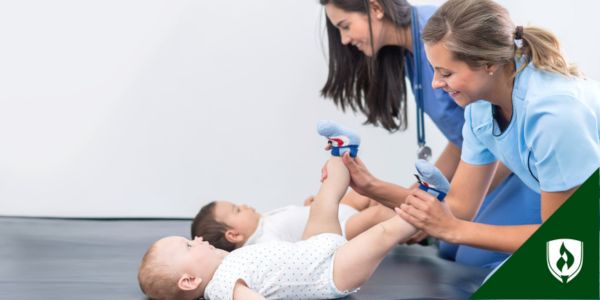
But if you are looking into this field, you might already know how profoundly rewarding and important this work can be. Pediatric physical therapist assistants help infants, children and adolescents improve mobility, strength, coordination and motor skills.
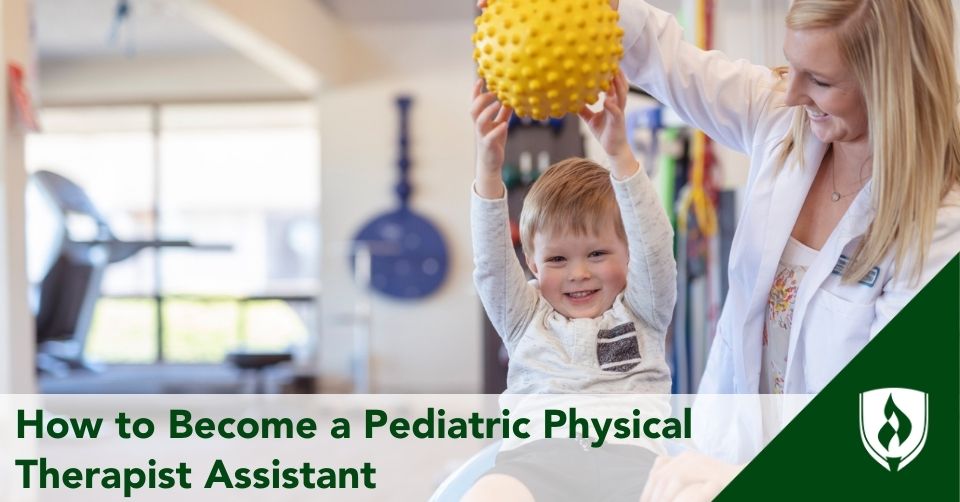
PTAs use a range of techniques, from play-based therapy to structured strength training, to help children build or regain movement skills such as balance, flexibility and coordination.
How to become a pediatric physical therapist assistant
If you’re passionate about helping children live their best lives, the next step toward becoming a pediatric PTA is understanding the education, skills and career path involved. While pediatric specializations develop over time, aspiring pediatric physical therapist assistants begin by completing a PTA program and gaining clinical hands-on experience.
Education requirements for a pediatric PTA
Becoming a pediatric physical therapy assistant starts with earning an associate degree from a CAPTE® -accredited Physical Therapy Assistant (PTA) program such as Rasmussen University.
These programs typically take 18 months to 2 years to complete.
PTA programs provide the scientific background, therapeutic training and hands-on experiences students need to build strong clinical skills across various healthcare settings.1
While an associate degree may open doors to new career opportunities, developing the skills and knowledge in pediatric physical therapist assistance happens over time. According to the Academy of Pediatric Physical Therapy (APTA), students can build pediatric-specific skills through clinical experiences, on-the-job training, mentorship and continuing education.2
Essentially, PTA education builds the foundation, while real-world experiences help future pediatric PTAs become comfortable with young patients and understand pediatric care needs.
APTA, a section of the American Physical Therapy Association®, offers continuing education, clinical resources and mentorship opportunities that can help PTAs strengthen their skills in pediatric care.
What you’ll learn in a physical therapist assistant program
As you pursue your degree, you’ll complete a PTA curriculum designed to help you develop the technical and communication skills necessary for patient care, including pediatric patients. Coursework typically includes anatomy and physiology as well as medical terminology. It also covers therapeutic exercises, musculoskeletal disorders, gait training and rehabilitation techniques.
This curriculum may include its own set of required courses, and a CAPTE-accredited program meets nationally recognized standards for physical therapist assistant education in most states. Additionally, students will be introduced to manual therapy techniques and wound management concepts as part of comprehensive patient care.
Students will also learn how to support treatment plans developed by licensed physical therapists and how to apply evidence-based practice in clinical decision-making. These courses teach students how to work with different populations, including children who need additional developmental support or rehabilitation.
For an idea of what to expect from a program like this, check out Physical Therapist Assistant Education: What to Expect in Your PTA Training.
Complete clinical rotations
As in many healthcare roles, pediatric physical therapy assistants must also complete supervised clinical rotations to prove their knowledge and professional growth. Clinical rotation experiences may vary depending on placement availability.
They can include exposure to acute care settings, rehabilitation centers or long-term care facilities. Students assist with a wide range of health conditions, including chronic conditions and developmental delays.
These educational experiences allow students to practice the skills they’ve learned in a real healthcare setting while working under the supervision of a licensed physical therapist. Students will handle daily tasks such as applying treatment plans, participating in therapeutic exercises and helping patients manage pain.
This is where you get the chance to put your knowledge into practice, working with kids or adults depending on the clinical placement and seeing how much PTAs interact with each patient (spoiler—you’ll spend a lot of time with patients!)
Some students may have the opportunity to work with pediatric patients, gaining early exposure to developmental milestones, motor skills and pediatric treatment approaches. These rotations are an important step toward understanding how pediatric physical therapy functions in hospitals, outpatient clinics, rehab centers and long-term care facilities.
Clinical rotations also help students gain experience in communicating with families and children, documenting progress and collaborating with other healthcare providers. Rotations develop skills that are essential for future pediatric PTAs.
Pass the national physical therapist assistant exam
After completing your studies and clinical rotations, graduates must pass the National Physical Therapist Assistant Examination (NPTE®-PTA) to qualify for a state PTA license.3
This exam evaluates a student’s comprehension of scientific concepts, therapeutic interventions and patient-care practices. Passing the NPTE® demonstrates readiness for entry-level practice and is required in most states before working as a physical therapist assistant, including pediatric physical therapy.
Gain experience in pediatric physical therapist assistance
Congrats! Once you’ve passed the exam and earned your PTA license, you can begin working in clinical settings and developing the skills that’ll shape your career. Many physical therapist assistants learn about pediatrics through on-the-job training, clinical rotations and mentorships. Some PTAs later pursue continuing education to become a physical therapist, while others remain in their current roles.
Throughout their career journey, some PTAs may advance into healthcare-related roles, such as becoming an occupational therapist or working in home health services. Others build rewarding careers in settings such as skilled nursing centers or outpatient rehabilitation clinics, supporting patients at different stages of recovery.
As new PTAs start practicing, they’ll work under the supervision of a licensed physical therapist and gradually take on more responsibilities as they meet specific requirements. Entry-level job duties often include assisting with exercises, documenting progress and supporting therapy goals for individuals with a variety of needs.
Over time, as PTAs gain exposure working with pediatric patients, they’ll begin to see the community impact of helping children improve mobility, build motor skills, and participate in daily activities.
Where pediatric physical therapist assistants work
Pediatric physical therapist assistants work in a variety of healthcare and educational settings where children receive rehabilitative care. These environments allow PTAs to support licensed physical therapists in delivering treatment plans tailored to pediatric patients’ physical and developmental needs.
Typical work settings include hospitals, where pediatric PTAs may assist children recovering from surgery, injury or acute illness. PTAs also work at outpatient therapy clinics that focus on rehabilitation and developmental support.
Pediatric PTAs work in schools or early childhood intervention programs where therapy services help children improve mobility and motor skills. Others work in skilled nursing centers, long-term care facilities or home health services in residential or home settings.
There are quite a few more workplace settings for PTAs than you might guess! More on that at Where Do Physical Therapist Assistants Work? Exploring the Options.
Skills needed to work with pediatric patients
Working with pediatric patients requires a unique combination of technical, interpersonal and observational skills. Pediatric PTAs must follow prescribed plans, guide children through exercises, and adjust activities to match their developmental stage and physical abilities. Strong communication skills are necessary, as PTAs regularly interact with young patients, parents and caregivers to explain exercises and encourage participation.
This is a highly collaborative role, no matter which patient demographic you work with. But when you are in Peds—it's even more so. Your patients will be minors, meaning you’ll usually be working with their caregivers, family members and more—as well as with each child.
Since treatment sessions often involve floor work, play-based activities, and mobility exercises, physical therapist assistants also need physical stamina and the ability to show correct movements. PTAs should also be calm and understanding and have a positive, motivating presence which can help keep children engaged and build confidence.
By supporting movement, balance and coordination, pediatric PTAs help children navigate day-to-day life, contributing to their overall health and well-being under the supervision of a physical therapist.
Communication and interpersonal skills
Clear communication is essential when you work with pediatric patients. Pediatric physical therapist assistants must explain exercises in age-appropriate ways and discuss progress with children and their families, under the supervision of a physical therapist. PTAs also collaborate with physical therapists, physicians and other healthcare providers to support treatment goals.
Compassion and strong interpersonal skills are just as important as PTAs often work with children experiencing pain and frustration. In these instances, pediatric physical therapist assistants must be patient, empathetic and courteous while interacting with parents, young patients and caregivers.
Treatment plans often differ based on a child’s age, abilities and health conditions, including developmental delays or long-term medical conditions. These ever-changing needs require PTAs to be adaptable, since they’ll have to adjust activities, communication styles and pacing throughout each therapy session.
Physical strength and stamina
Because pediatric physical therapists and pediatric physical therapist assistants have active careers, maintaining good physical condition and strong physical stamina is essential. Whether assisting with movement, guiding exercises, setting up equipment or helping children practice functional skills, physical therapists spend most of the day on their feet. Bending, lifting and supporting are regular parts of hands-on care.
Clinical and technical skills
Pediatric physical therapist assistants also rely on clinical and technical skills developed through their education and training to support patient care. These skills include an understanding of medical terminology, therapeutic exercises, gait-training techniques, and the use of adaptive equipment to enable pediatric patients to participate in daily routines and activities.
According to the ABCs of Pediatric Physical Therapy, pediatric professionals help address movement, strength, balance and cardiopulmonary status as part of intervention and collaboration.4 These represent the clinical competencies PTAs begin building during their PTA education and training.
Take the next step in your physical therapy journey
If you’re interested in becoming a therapist, your next step is to explore your education options. Rasmussen University’s Physical Therapy Assistant program is designed to help students build the foundational knowledge and skills necessary for entry-level practice across many different healthcare settings.
Learn more about physical therapist assistant education, what clinicals are really like, and how a PTA program can help you prepare for licensure and clinical practice.
Check out Physical Therapy Assistant Programs: 6 Key Factors to Consider.
1American Physical Therapy Association (APTA), Physical Therapist Assistant Overview, https://www.apta.org/your-career/careers-in-physical-therapy/physical-therapist-assistant (accessed December 2025).
2Academy of Pediatric Physical Therapy, Start a Career in Pediatric Physical Therapy, American Physical Therapy Association, https://pediatricapta.org/start-career-pediatric-pt/ (accessed December 2025).
3Federation of State Boards of Physical Therapy (FSBPT), National Physical Therapy Examination (NPTE), https://www.fsbpt.org/our-services/exam-services/npte (accessed December 2025).
4Academy of Pediatric Physical Therapy, ABCs of Pediatric Physical Therapy, American Physical Therapy Association, https://pediatricapta.org/includes/fact-sheets/pdfs/FactSheet_ABCsofPediatricPT_2019.pdf (accessed December 2025).
5CAPTE® is a registered trademark of American Physical Therapy Association
6American Physical Therapy Association® is a registered trademark of American Physical Therapy Association